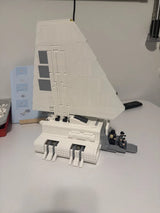
Yes, basic LEGO-compatible bricks are generally legal to make and sell because the foundational brick patent has expired. Trademarks, copyrighted artwork and instructions, and some newer design patents can still limit what sellers may lawfully reproduce or market. The checks below will help you tell a legal compatible set from a risky knockoff before you buy.
TL;DR:
- The 1961 stud and tube patent expired in 1978, but newer design patents can still cover decorative shapes for 15 years from filing.
- Check the name, packaging, instructions, and figures separately: copied logos or artwork and licensed character likenesses create risks even when bricks fit.
- Choose sellers with independent branding and original instructions, and request close up photos of the box, pieces, and booklet when listings omit them.
- For sellers, one infringing component can trigger seizure or an injunction against an entire product line or shipment, so supplier checks must cover every item.
Table of Contents
- Why expired patents opened the door for compatible bricks
- Where trademarks and copyrights still create risk
- How to spot a legal compatible set versus a counterfeit
- What sellers and distributors risk if a product crosses the line
- How we handle compatibility and legal naming at Affordable Bricks
- The legal gray areas get more attention than they deserve
- Where to buy legal compatibles with confidence
- FAQ
- Sources
Why expired patents opened the door for compatible bricks
The original LEGO brick patent, US 3,005,282, covered the stud-and-tube coupling system that lets bricks snap together and hold. That patent was granted in 1961 and expired in 1978, which means its claims are no longer enforceable and the core connection method sits in the public domain. That expiration is the entire reason compatible bricks exist as a legal category rather than a legal gray zone.

Patent expiration does not erase every form of protection a toy maker can hold, though. Rights-holders often build a layered portfolio: trademarks on names and logos, copyrights on instructions and artwork, and design patents on ornamental shapes that go beyond the basic coupling mechanism. A design patent protects how a part looks, not how it functions, and it can run for 15 years from the filing date. Recent filings like US D1,098,297 S for an interlocking tray toy brick show that rights-holders keep registering decorative features long after the original patent lapsed.
One design filing is worth knowing about: the interlocking tray toy brick design patent demonstrates that ornamental brick elements can still receive fresh protection decades after the foundational invention became public domain.
In practice, this splits brick features into two buckets:
- Safe to reproduce: the basic stud-and-tube connection, standard brick proportions, and the general building system covered by the expired 1961 patent.
- Likely still protected: unique ornamental shapes, decorative surface patterns, and specialty pieces tied to a specific recent design filing.
If you want to measure whether a compatible piece actually fits a standard system rather than copying a protected shape, our guide on brick size tolerances walks through the measurements that matter.
Where trademarks and copyrights still create risk
Patent law covers mechanisms and shapes, but trademarks and copyrights cover something different: names, logos, and creative content. This is where a lot of compatible sellers run into trouble even when their bricks are perfectly legal to manufacture.
Trademark law protects brand names and logos so customers are not confused about who made a product. Printing “LEGO” on packaging, using a near-identical logo, or naming a product line in a way that implies an official connection is risky regardless of how the bricks themselves are made. The bricks can be legal while the branding around them is not.
Copyright law covers a different layer: the instruction booklets, box artwork, and character designs that come with a set. Copying someone else’s instruction manual, reprinting their box art, or recreating a licensed character’s exact likeness are all separate infringement risks from the brick shape itself. This is also where minifigures come in. A plain, generic figure is low risk, but a figure designed to look like a licensed movie or game character is one of the most common ways sellers end up in legal trouble, since it combines trademark and copyright exposure in a single small piece.
A few patterns to watch for:
- Product names or packaging that use “LEGO” or a confusingly similar wordmark.
- Instruction booklets or box art that closely mirror another company’s published materials.
- Minifigures styled to resemble copyrighted characters from films, games, or comics.
Pro Tip: Check a set’s name, box, and minifigures separately from its bricks. A fully legal brick system can still be sold under an infringing name or packaged with a copyrighted character.
How to spot a legal compatible set versus a counterfeit
Most shoppers cannot read a patent filing before checking out, so the practical question is simpler: what should you actually look for on the page or in the box?
- Check the branding first. Legitimate compatible sets use their own name and logo, never a lookalike “LEGO” mark or near-identical packaging design.
- Look at the pieces themselves. Official logos stamped on studs, branded minifigures, or licensed character artwork on parts are red flags for counterfeits rather than legal compatibles.
- Compare the price per piece. A price that seems far below what quality materials and molding would reasonably cost can signal corners cut on licensing, materials, or both. Our breakdown of price-per-piece benchmarks gives you a reference point.
- Read how the seller describes fit and instructions. Transparent sellers explain compatibility clearly and provide their own instructions rather than copying another company’s booklet.
- When in doubt, ask. Request close-up photos of the box, the pieces, and the instructions, and ask the seller directly whether any branded or licensed elements are included.
Pro Tip: If a listing avoids showing the actual box or instruction pages, that is often a sign the seller does not want you comparing them to the original.
Builders who want to confirm that parts will actually interlock with their existing collection, rather than just look similar, can check our notes on Duplo-scale compatibility for how cross-system sizing works.
What sellers and distributors risk if a product crosses the line
Buying one questionable set is a different risk profile than selling or distributing compatibles at scale. U.S. federal law attaches real penalties to trafficking in counterfeit trademarks and to criminal copyright infringement, including fines, forfeiture of goods, and in serious cases imprisonment, according to Department of Justice guidance on intellectual property enforcement.
Legal analysis from Crowell & Moring shows courts can order seizures or injunctions against an entire product line even when only some components are infringing, which makes “most of our set is fine” a weak legal position for a seller to rely on.
That analysis of recent design-protection rulings found that partial-infringement defenses are difficult to sustain when a modular product’s ornamental features contribute to its overall visual character. In practice, that means:
- Distributors can face seizure of entire shipments over a single infringing component, not just the offending piece.
- Retailers carrying mixed inventory from multiple suppliers take on exposure for every supplier’s design and branding choices.
- Reputable vendors reduce this risk through supplier vetting, product screening before listing, and avoiding any names, logos, or character likenesses tied to another company’s IP.
For sellers, due diligence on a supplier’s naming conventions and packaging is not optional paperwork. It is the difference between a routine import and a seized shipment.
How we handle compatibility and legal naming at Affordable Bricks
We built our storefront around selling premium LEGO-compatible sets without the branding, packaging, or character shortcuts that create legal risk for buyers. Our sets use original product names, unique box designs, and detailed building instructions created for each set.
That approach shows up in a few concrete ways:
- We name our products independently, so you will not find “LEGO” or a lookalike mark anywhere on our packaging or listings.
- Every set ships with building instructions we created ourselves, and we check piece fit before it goes out the door, which helps us maintain high standards for piece fit.
- We offer special pricing to some customer groups as part of our pricing approach.
- We skip licensed character minifigures in favor of original designs, which keeps our catalog clear of the highest-risk category discussed above.
If you want to see how instructions are handled before you commit to a set, our page on print-ready building instructions walks through what comes in the box. From there, browsing our current sets is the fastest way to see compatibility and pricing side by side.
The legal gray areas get more attention than they deserve
The loudest conversations about LEGO alternatives focus on patent expiration, as if one expired filing from 1978 settled every legal question for good. It did not, and treating it that way is the most common mistake in this space. The patent question is actually the easy part. Trademark and copyright exposure, especially around minifigures and instruction booklets, cause far more real enforcement action than brick shape ever does.
Conventional advice tends to stop at “the patent expired, so compatibles are fine,” which leaves shoppers unprepared to spot the branding and character risks that actually show up in counterfeit listings. The more useful habit is to separate three questions every time you shop: is the brick shape generic, is the branding independent, and are the minifigures original. Most of the risk lives in the second and third questions, not the first.
If you prioritize one thing from everything here, make it this: check the name on the box before you check anything else. A set with clean, independent branding and original figures is almost always the safer buy, regardless of how closely the bricks themselves resemble a familiar system.
— Affordable Bricks Editor
Where to buy legal compatibles with confidence
We built our catalog so you never have to guess whether a set crosses a legal line. Every piece is checked for fit, every instruction booklet is our own, and every product name and package design is independent of any other brand.

Two sets worth a look if you want to see this in practice:
- Lord Helmet 75304 brings a detailed display-ready helmet build with our own instructions and guaranteed piece fit.
- Wizard Bank 76417 offers a themed collectible build designed for shelf display, with the same fit guarantee.
If you are building out a collection and want to verify authenticity on other collectibles too, the verification habits covered in this guide to checking rare trading cards translate well to spotting a legitimate listing versus a risky one.
Browse our full range of replica sets, themes, and seasonal builds, or head straight to our vehicle collection if that is what you are after. Questions about compatibility or veteran discounts are best sent to our support team before you check out, so you know exactly what is in the box.
FAQ
Are LEGO knockoffs legal?
A true counterfeit, meaning a product that uses the LEGO name, logo, or copied packaging and instructions, is not legal regardless of how the bricks themselves are made. A compatible set with independent branding and original instructions is a different category and is generally lawful because the foundational brick patent expired.
Is it illegal to play with LEGO bricks after a patent expires?
No, patent expiration has nothing to do with how a product may be used. It only affects whether other manufacturers can legally produce a similar mechanism, and in this case the expired 1961 patent simply opened the stud-and-tube system to competing brick makers.
What is the rule about building block compatibility?
There is no single universal “rule,” but compatible brick systems are generally expected to match standard stud spacing and height so parts from different makers interlock properly. Buyers checking this themselves can use measurement guides like our brick size tolerance breakdown to confirm fit before buying.
What caused past scandals involving large LEGO brick recalls or disputes?
Public reporting on large-scale brick disputes typically centers on counterfeit operations that copied branding, packaging, or licensed characters, not on legal compatible sets. Those cases usually involve criminal trafficking in counterfeit trademarks, the kind of activity the Department of Justice’s IP enforcement guidance addresses directly.
How do I know if a compatible set is safe to buy?
Look for independent branding, original instructions, and minifigures that are not styled after licensed characters, since those three factors cover most of the legal risk. Sellers who are transparent about fit, sourcing, and instructions, the way we are with every set we list, are generally the safer choice.
Sources
- Freedom to Build on How the Modern LEGO Brick Design Works (US 3005282) — PatentBrief
- Building Blocks of Design Law: CJEU rules on LEGO Group modular design protection | Crowell & Moring LLP
- US D1,098,297 S — Interlocking tray toy brick (patentsgazette)
- Prosecuting Intellectual Property Crimes — U.S. Department of Justice (excerpt)